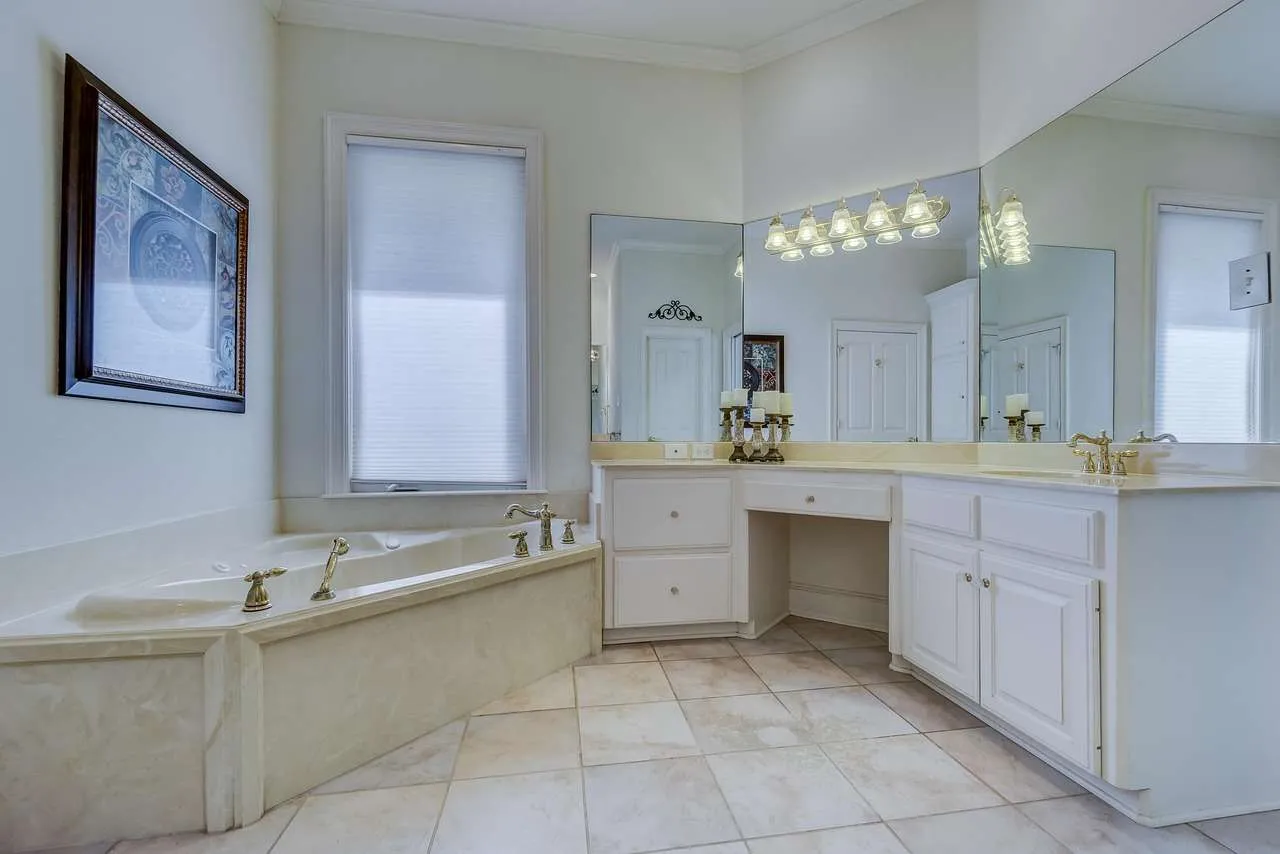
Transforming a bathroom goes beyond tiles and fixtures. It is about crafting a space that feels like a retreat while staying practical for daily routines. This guide on bathroom decor blends design theory with real world tips from seasoned professionals, helping you choose color, lighting, storage, and materials that work together to create harmony and longevity.
Core principles of bathroom decor
A well executed bathroom decor relies on a few timeless principles. Start with balance and proportion, ensuring the focal point (such as a statement tile or a designer vanity) feels anchored without overpowering the room. Maintain cohesion by repeating a limited set of materials and colors, so textures read as part of a single story. Don’t forget moisture resistance and durability, which influence both selection and maintenance. A thoughtful layout that prioritizes ease of movement can dramatically improve daily use as well as resale value.
Color and cohesion
Color sets the mood. Neutral bases—creams, taupes, or cool grays—provide a timeless canvas that works with any fixture style. Introduce an accent color through towels, accessories, or a single tile row to avoid visual clutter. Before committing, build a small swatch board and test lighting at different times of day. This helps you see how color shifts under warm or cool light and how it interacts with natural daylight and bathroom task lighting.
Materials and finishes
Choose moisture resistant materials designed for damp environments. Porcelain or ceramic tiles, quartz and solid surface countertops, and corrosion resistant hardware offer durability with low maintenance. Consider a mix of textures, such as a matte wall tile with a glossy backsplash or a stone vanity top paired with satin nickel fixtures, to add depth without noise. Seal grout lines when tile is involved, and use sealants on natural stone to preserve its beauty and longevity.
Color palettes, materials, and finishes
A successful bathroom decor plan blends color with material choices. Start with a primary palette and layer in texture and finish to keep the space lively yet calm. Lighting will influence how these decisions read in real life.
Neutral palettes
Soft whites, creams, and cool beiges create a spa like atmosphere and pair well with stone, glass, and metal accents. Use different textures to prevent flatness: a large matte tile on the floor, a glossy glass shower enclosure, and a tactile fabric such as a woven towel for warmth.
Natural and warm materials
Natural stone, wood accents, and warm metals bring character to bathrooms with a luxurious feel. When you introduce wood, choose moisture resistant finishes and light staining to keep the space bright. Stone elements—such as a countertop or a shower bench—add durability and a sense of timelessness that resonates with discerning buyers.
Finishes and contrasts
Matte, satin, and high gloss finishes each play a role. Matte surfaces absorb light and hide water spots better, while satin finishes offer a balanced sheen. A single high gloss element, like a mirror frame or vanity hardware, can act as a visual anchor in a subdued color scheme.
Lighting and fixtures
Layered lighting is essential. Combine ambient lighting with task lighting around mirrors and subtle accent lighting to highlight architectural details. LED fixtures with adjustable color temperature enable you to shift the mood from bright and productive in the morning to soft and relaxing at night. Dimmers are worth the investment for energy efficiency and comfort. Match fixtures to the overall style, whether minimalist, traditional, or transitional, to reinforce the decor story.
Storage and organization
Smart storage keeps decor cohesive and clutter-free. Build vanity storage that hides daily essentials, add magnetic strips inside medicine cabinets for small items, and install recessed niches in the shower for toiletries. Use baskets and trays to organize counter clutter, and consider vertical shelving for towels and linens. Proper ventilation remains crucial to prevent moisture buildup that can damage finishes over time.
Budgeting and project planning
Bathroom decor improvements span a wide range of budgets. Prioritize elements with the greatest impact on daily use and perceived value, such as a refreshed vanity, updated lighting, and new hardware. When possible, plan for professional input on critical areas like electrical and plumbing, and reserve DIY work for cosmetic updates. Create a phased plan to manage costs and minimize disruption. Always request written quotes, verify warranty details, and check references before committing to a contractor.
Material choices in a quick comparison
| Material | Pros | Cons | Best Use |
|---|---|---|---|
| Ceramic tile | Affordable, durable, wide range of styles | Grout maintenance can be required | Walls and floors with moisture exposure |
| Porcelain tile | Very durable, low water absorption | Can be hard on installation costs | High-traffic wet areas |
| Natural stone | Luxurious look, unique patterns | Porosity requires sealing, higher maintenance | Countertops, shower niches, accent walls |
| Quartz countertop | Nonporous, durable, low maintenance | Limited color variation compared to stone | Vanities and vanity tops |
| Glass | Brightens space, modern feel | Shows water spots, can chip if mishandled | Shower enclosures, backsplashes |
Maintenance and longevity
Regular maintenance extends the life of your bathroom decor. Seal grout and natural stone periodically, clean surfaces with products designed for their finish, and address leaks promptly to prevent hidden damage. Keep the bathroom well ventilated to reduce moisture levels and protect wood, metal, and tile finishes. A proactive approach to upkeep reinforces the overall value and keeps the decor looking fresh for years.
Conclusion, a thoughtful combination of color, materials, lighting, and storage creates a bathroom that is both beautiful and functional. By aligning your choices with durable materials, smart layouts, and layered lighting, you can achieve a cohesive look that stands the test of time and daily use. Focus on balance, quality, and user experience, and your bathroom decor will deliver lasting satisfaction for you and future visitors.
Summary, this article provides a practical framework for designing a bathroom that feels luxurious while remaining efficient and easy to maintain. It covers color and material strategies, lighting layers, storage solutions, budgeting guidance, and a quick material comparison to help you choose with confidence. Implement these steps to create a refreshed space that reflects your style and supports everyday life.