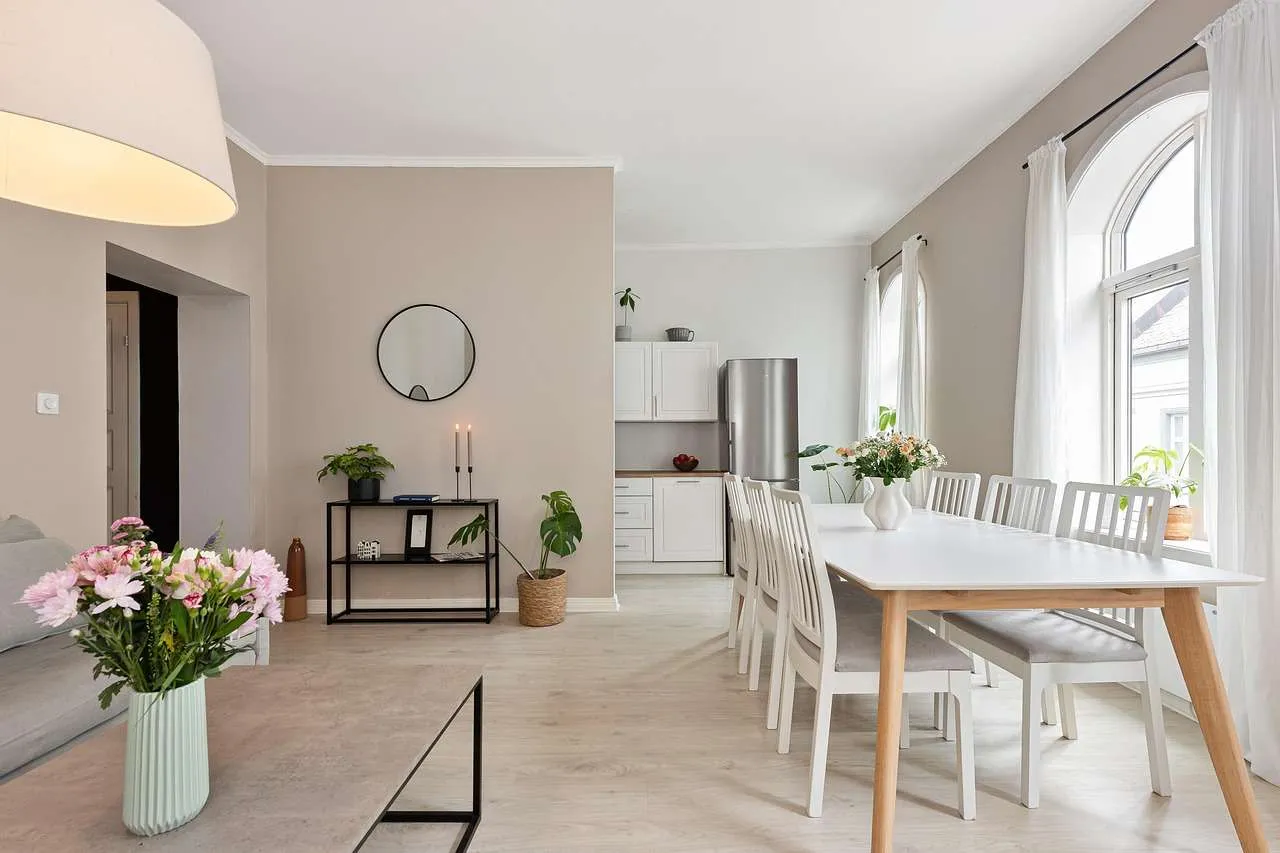
Home window tinting is a smart upgrade for modern homes. It uses thin films applied to interior or exterior glass to control heat, glare, UV exposure, and privacy. When done right, it enhances comfort without changing your view or natural light significantly.
What is home window tinting?
Window tinting refers to applying a thin film to glass surfaces. The film reduces solar heat gain, blocks harmful UV rays, and can add privacy. It is commonly installed on living spaces, sunrooms, and large glass doors to improve energy efficiency and comfort year-round.
Benefits of home window tinting
- Energy savings by reducing cooling load in hot seasons and retaining warmth in cold seasons.
- UV protection that blocks up to 99% of harmful rays to protect furnishings and skin.
- Glare reduction for TVs and computer screens, improving comfort and productivity.
- Increased privacy while preserving visibility from inside out during daytime.
- Enhanced comfort and potential window longevity by reducing stress from thermal expansion.
Types of window tint films
Dyed films
Dyed films are the most affordable. They provide color and some heat reduction but can fade and offer moderate UV protection.
Metalized films
Metalized films reflect a portion of heat and improve strength. They offer higher heat rejection but may interfere with electronics and GPS signals.
Ceramic films
Ceramic films are high-performance and do not conduct electricity. They offer superior heat rejection, excellent UV protection, and minimal impact on signals, though at a higher price.
Hybrid films
Hybrid films combine dye and metal for balanced performance and cost, with good heat rejection and UV protection.
Choosing the right tint for your home
Start by assessing room orientation, climate, and existing glass. South-facing windows gain more heat, so higher heat rejection films may be beneficial. Keep interior lighting in mind to avoid overly dark rooms. Consider VLT values (visible light transmission) and long‑term maintenance. Look for films from reputable brands and request a warranty. Always hire a licensed installer and verify local regulations regarding front-side window tinting.
Professional installation vs DIY
DIY tinting risks air bubbles, dust under the film, improper adhesion, and warp when film shrinks. A professional installer uses clean-room prep, precise cutting, and a heat gun for smooth edges, often backed by a warranty on the film and labor.
Costs, durability, and maintenance
Material costs vary by type from affordable dyed films to premium ceramic films. Labor typically makes up a large portion of the total. Expect a typical home project to take a few hours per room. Maintenance is simple: wipe with a soft cloth and avoid ammonia-based cleaners that can damage some films. With proper care and a reputable installer, tint films can last 10 to 20 years, depending on climate and exposure.
Legal, safety, and warranty considerations
Some jurisdictions cap the tint level on front windows or require certain reflectivity. Always check local laws before selecting a shade. Ask the installer about manufacturer warranties, fade guarantees, and whether the film is certified for safety glass installations. Insurance and workmanship warranties add extra protection for your investment.
Summary comparison of common tint types
| Type | VLT % | Heat Rejection | UV Protection | Pros | Cons |
|---|---|---|---|---|---|
| Dyed film | 15-80 | Low to moderate | Good | Low cost, color options | Can fade, moderate heat control |
| Metalized film | 15-60 | High | Very good | Excellent heat rejection | Possible signal interference |
| Ceramic film | 30-70 | Very high | Excellent | Best performance, non-conductive | Higher cost |
| Hybrid film | 25-60 | Moderate | High | Balanced performance | Mid-range price |
Maintenance and care
Clean with mild soap and water; avoid abrasive scrubbers. Dry with a microfiber cloth to prevent streaks. Refrain from ammonia-based cleaners that may degrade film over time.
Conclusion
In conclusion, if you are seeking greater comfort, lower energy bills, and better protection for your furnishings, home window tinting is a practical upgrade. By selecting the right film type, choosing a licensed installer, and reviewing warranties and local rules, you can enjoy lasting benefits without sacrificing daylight or view.
Summary: This article reviewed what home window tinting is, its main benefits, film types, how to choose the right tint, installation options, costs, and legal considerations. A qualified installer ensures proper adhesion, warranty coverage, and a durable result that enhances your home's comfort and value.